
Create Viral Content: Your Ultimate Short Video Maker Guide
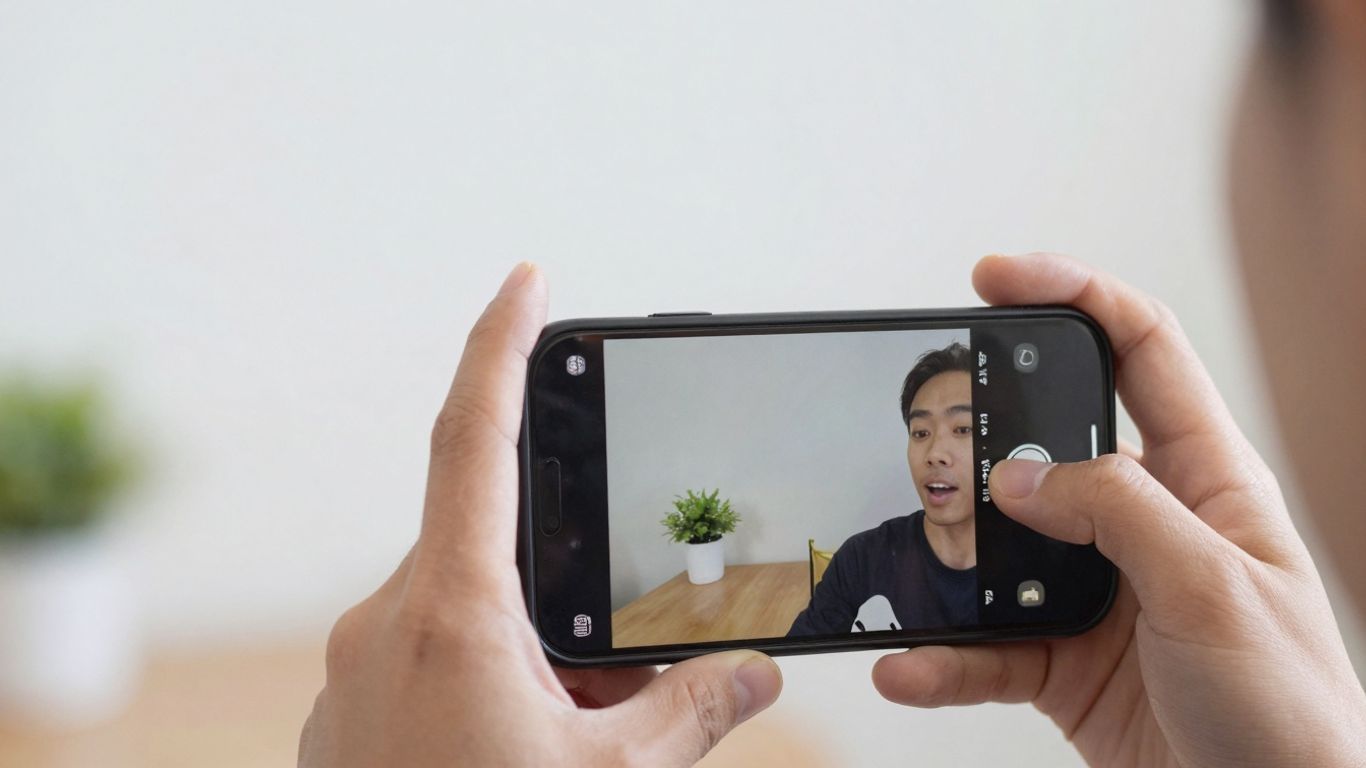
Creating videos that take off online can feel like a lottery, but it doesn't have to be. This guide is all about breaking down how to make your short videos stand out, whether you're using fancy tools or just your phone. We'll look at what makes people click 'share,' how to use new tech like AI to help, and the simple steps to make your content pop. If you've been wondering how to become a better short video maker, you've come to the right place.
Key Takeaways
- To make a viral video, focus on evoking strong emotions and providing unexpected moments that people want to talk about and share.
- AI tools can significantly speed up the video creation process, from generating scripts and voiceovers to finding visuals, letting you test more ideas.
- Crafting compelling narratives for short videos means starting with an immediate hook, keeping the story tight, and delivering a satisfying conclusion.
- Editing for maximum impact involves quick cuts, a mobile-first vertical format, and techniques like perfect loops to boost replay value and watch time.
- Effective promotion includes writing engaging captions that spark conversation and using a smart mix of hashtags to increase discoverability.
Mastering The Short Video Maker Craft
So, you want to make videos that people actually watch, maybe even share? It's not just about pointing your phone and hitting record. There's a bit of a science and a whole lot of art to it. Think about the last video that really stuck with you. Chances are, it wasn't just random clips; it had something that grabbed you and didn't let go. That's what we're talking about here.
Understanding The Psychology Of Virality
Why do some videos explode while others just… exist? It often comes down to tapping into basic human emotions and desires. People share things that make them feel something – whether it's a good laugh, a moment of awe, or even a shared frustration. The goal is to create a feeling that someone wants to pass on to their friends. It’s like sharing a funny meme or an interesting article; you’re sharing an experience.
- Surprise: Unexpected twists or reveals keep people engaged. They didn't see it coming, and now they want to tell someone else.
- Relatability: When viewers see themselves or their own experiences in a video, they feel a connection. "That's so me!" is a powerful motivator for sharing.
- Emotion: Videos that evoke strong feelings – joy, sadness, anger, inspiration – are more memorable and shareable. People connect with the emotion, not just the visuals.
- Curiosity: Posing a question or presenting a mystery makes people want to stick around for the answer, and then share that discovery.
People share content that makes them feel something. It's about creating an emotional connection that prompts them to pass that feeling along to others.
The Foundation Of Shareable Content
Before you even think about editing, you need a solid idea. What’s the core message? What’s the point? Shareable content usually has a clear purpose. It might be to entertain, to inform, to inspire, or to provoke thought. Without a clear foundation, your video will likely feel scattered and won't connect with anyone.
Think about the structure. Even a super short video needs a beginning, a middle, and an end. It's like a mini-story. You need to hook them fast, keep them interested, and then give them a satisfying conclusion. If any part of that chain breaks, they're gone.
Decoding What Truly Makes A Video Go Viral
Honestly, there's no magic formula. If there were, everyone would be doing it. But there are definitely common threads. It’s usually a mix of timing, a bit of luck, and a lot of understanding your audience. What's trending? What are people talking about? Can you put your own spin on it?
Consider this: the average person's attention span is pretty short these days, especially when scrolling through feeds. You've got maybe three seconds to make an impression. If you don't grab them immediately, they'll just keep scrolling. So, that opening needs to be strong, intriguing, or visually arresting. After that, every second counts. You can't afford to waste their time with slow bits or unnecessary details. Keep it moving, keep it interesting, and give them a reason to watch until the very end – and maybe even hit that share button.
Leveraging AI For Your Short Video Maker
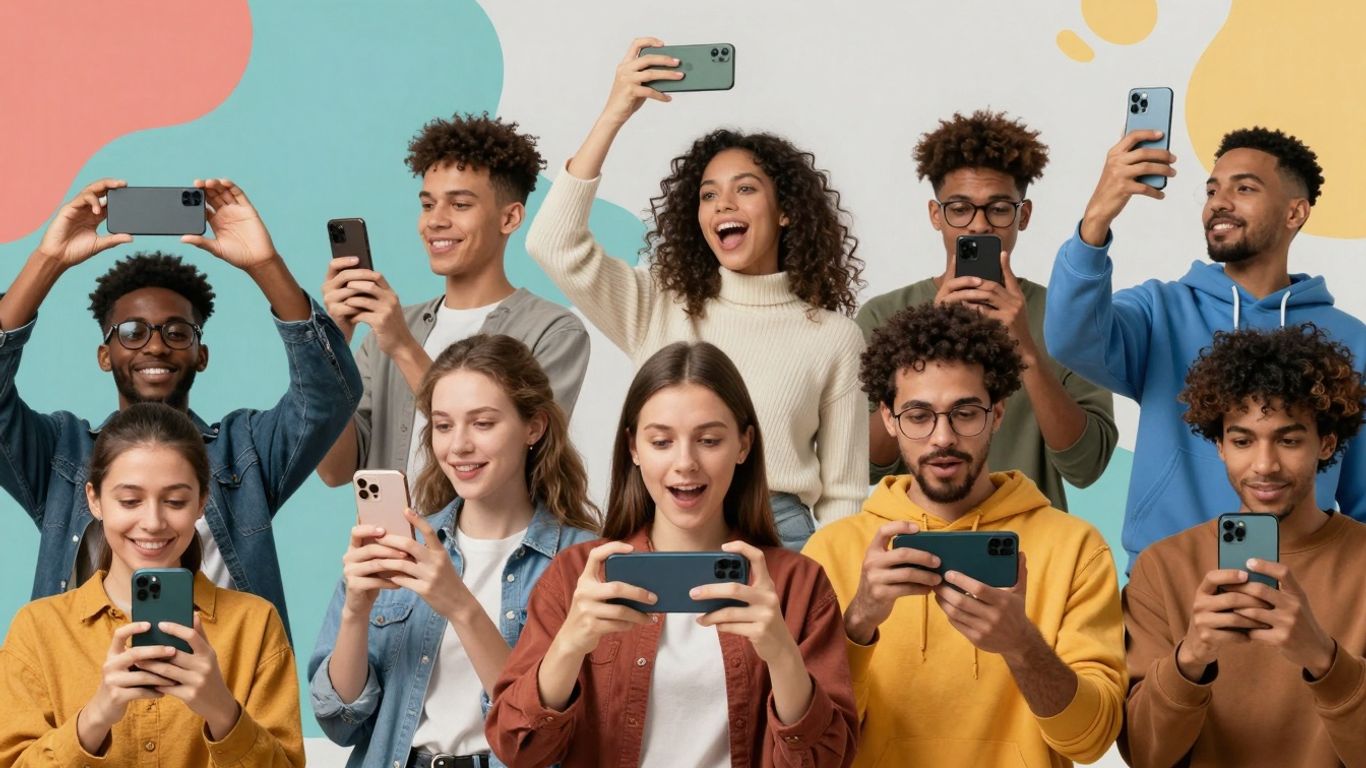
Let's face it, making videos that people actually want to watch and share can feel like a huge task. You need ideas, you need to film, you need to edit, and then you need to make it look good. It’s a lot. But what if I told you there’s a way to speed all that up and make your videos look way more professional, even if you're not a pro editor? That's where AI comes in. It’s like having a super-smart assistant who can handle a lot of the heavy lifting.
From Idea To AI-Generated Video
Think about it: you have a concept, maybe just a few sentences, or even a full script. You feed that into an AI tool, and it starts building a video. It finds relevant clips, adds text, and even generates a voiceover. This whole process used to take hours, maybe even days, but now it can happen in minutes. It’s not just about saving time, though. It means you can try out way more ideas. The more videos you put out there, the better your chances of one of them catching fire.
Here’s a typical flow:
- Input your idea: This could be a simple topic, a paragraph, or a whole script you've written.
- AI generates script and voiceover: If you're stuck, the AI can write a script and record a voice for you in different languages.
- AI creates visuals and captions: It pulls in fitting video clips and adds text that pops, which is super important for viewers scrolling with sound off.
- Review and publish: You get a chance to make small changes before sending it out.
The real game-changer with AI is the sheer volume of content you can produce. More content means more chances to learn what your audience likes and more opportunities to go viral.
Using AI Tools To Accelerate Creation
AI isn't just about making a video from scratch; it can also help polish what you already have. Some tools can help with things like color grading, making sure all your clips have a consistent look and feel. Others can suggest smooth transitions between shots, making your video flow better. There are even AI features that let you apply artistic styles to your footage, giving it a unique look that stands out.
AI tools can also help you remove watermarks from videos you own and clean unwanted text or objects before publishing.
AI As Your Secret Weapon For Viral Content
When you're aiming for viral, you need to pay attention to what grabs people. AI can help with this too. Look for tools that create dynamic captions – the kind that move or highlight words as they're spoken. These keep viewers engaged. Also, make sure the AI picks visually interesting and fast-paced clips. Slow, boring footage is a quick way to lose people. And don't forget about sound. While AI can do voiceovers, being able to easily add trending music or sounds is a big plus for getting noticed by the algorithms.
Ultimately, AI helps you work smarter, not harder, by automating the technical parts so you can focus on the creative spark.
Crafting Compelling Short Video Narratives
Okay, so you've got your idea, maybe even some cool AI-generated footage. Now what? You gotta tell a story. Even a super short video needs a beginning, middle, and end. It's what makes people stick around and, more importantly, share your stuff. Think about it: when you see a video that really sticks with you, it's usually because it took you on some kind of mini-journey, right?
Scripting For Short Attention Spans
This is where the rubber meets the road. People scroll fast. Like, really fast. You've got maybe three seconds, tops, to make them stop. If your intro is a snoozefest or confusing, they're gone. Poof.
Here’s a simple way to think about it:
- The Hook: This is your first few seconds. It needs to be something that makes them go, "Whoa, what is this?" or "OMG, me too!" Think a crazy visual, a bold statement, or a question that’s begging for an answer. It’s got to be strong enough to stop that thumb mid-scroll.
- The Lean Narrative: Every single second counts. Cut out anything that doesn't move the story forward. Your video should be like a direct line from the hook to the payoff. No detours, no filler. Just pure, concentrated story.
- The Satisfying Payoff: Whatever you promised in the hook, you gotta deliver. This is the punchline, the big reveal, the solution to the problem you presented. If you nail this, people feel like their time was well spent, and that's when they hit share.
The goal here is to create a feeling. Whether you want them to laugh, feel inspired, or just be amazed, your story is the vehicle. People share feelings, not just videos.
The Unmissable Hook
Seriously, let's talk more about this hook. It's everything. You need to grab attention immediately. Forget slow intros. You need to hit them with the most interesting part right away.
Here are a few ways to do it:
- The Unexpected Reveal: Start with a super close-up of something. Then, BAM, zoom out to show it in a totally weird context. It messes with their expectations and makes them watch to figure it out.
- The "Before and After" Flash: Show the amazing "after" for a split second, then immediately cut to the messy "before." Works for everything from home makeovers to fitness journeys.
- The Intriguing Voiceover: Start with a personal, weird story. Something like, "Here's how I ended up accidentally owning a llama farm." It’s unique and makes you want to know the rest of the story.
- The Problem & Promise: Show a common, annoying problem (like tangled headphones). Then, flash a quick promise on screen: "My 3-step fix for this." You're offering a solution right away.
The Lean Narrative And Satisfying Payoff
Once you've got them hooked, you gotta keep them. This means keeping your story tight. No rambling. Every scene, every word, should serve a purpose. Think of it like a really good joke – the setup, the build-up, and then the punchline.
Your payoff is what makes the whole thing feel complete. It’s the moment they’ve been waiting for. It could be a funny ending, a surprising twist, or a helpful tip that actually works. When you give them that satisfying conclusion, they feel good about watching, and that good feeling is what makes them want to share it with others. It’s that simple human need for closure, met in under a minute.
Editing Your Short Video For Maximum Impact

This is where the real magic happens. Your AI tool might give you a solid starting point, but the editing suite is where you turn a decent video into something people can't stop watching. It's your chance to really dial up the energy, make your message crystal clear, and make sure every single second counts. If you're aiming for those viral hits, getting good at editing is a must.
Great editing isn't just about sticking clips together; it's about creating an experience. The top creators you see everywhere are masters of rhythm and pace. They use quick, sharp cuts to keep your attention and aren't afraid to cut out anything that feels even a little bit slow. Think of it like trimming all the extra bits, leaving only the strongest parts of your story. This fast style isn't just a fad; it's where people are. The short-form video market is huge and only getting bigger.
Editing For Maximum Replay Value
To get people to watch your video more than once, you need to pack it with value and keep the pace up. Think about what makes you rewatch something. Often, it's a clever twist, a satisfying conclusion, or information that's so good you need to see it again. Make sure your video has something that makes viewers think, "Wow, I need to see that again" or "What did they just say?" This is what gets shares and repeat views.
- Pacing is Key: Use quick cuts to maintain energy. Avoid lingering too long on any single shot unless it's for a specific dramatic effect.
- Visual Storytelling: Ensure your video makes sense even with the sound off. Use on-screen text and graphics to highlight key points and keep viewers engaged.
- Satisfying Loops: If possible, try to create a subtle loop where the end of the video flows back into the beginning, encouraging accidental rewatches.
Mastering The Mobile-First Edit
Every editing decision you make should be with a smartphone screen in mind. That means committing to a vertical (9:16) format right from the start. Trying to crop a horizontal video later is a sure way to end up with awkward framing and a clunky viewing experience. You want your video to look good on a phone, period. This means thinking about how text appears, how close-ups look, and how the overall composition fits within that tall, narrow frame. It's a different way of thinking about visuals than traditional widescreen formats.
Techniques For Replayability
Making people hit that replay button is an art. It's about creating moments that stick with them. This often involves a combination of clever storytelling and visual tricks. You want to give viewers a reason to come back, whether it's to catch a detail they missed or to simply relive a feeling.
The goal is to make your video so engaging that viewers forget they've already seen it, or want to experience it again immediately. This often comes down to packing dense information, emotional impact, or sheer entertainment value into every second.
- On-Screen Text: Use text overlays to reinforce your message. This is super important because many people watch videos with the sound off. Make sure your main points are clear visually. You can even use animated text to add some flair and draw attention to specific details.
- Sound Design: While visuals are key, don't forget audio. Interesting sound effects or a catchy background track can significantly boost engagement and make a video more memorable. Good audio can make a simple clip feel much more dynamic.
- The Unexpected: Surprise your audience. A sudden plot twist, a funny reaction, or a visually stunning reveal can make people want to see it again to process what just happened. This is a great way to get people to share your content.
Publishing And Promoting Your Short Video
So, you've poured your heart and soul into making a killer short video. It's edited, it's polished, and you're ready for the world to see it. But here's the thing: just hitting 'publish' and hoping for the best is like planting a seed and expecting a forest overnight. You've got to give it a little nudge, right?
Crafting Your Launchpad For Virality
Think of your video's title, description, and hashtags as its first impression. This is what the platform's algorithm sees first, and it's how it decides who to show your video to. A good title needs to be catchy and tell people what they're getting into. It's a mini-headline fighting for attention. Hashtags are like little signposts; they help the platform understand your video and put it in front of the right eyes. Don't just slap on a bunch of random tags. Mix it up: use some popular ones to get broad reach, and some super specific ones to connect with a dedicated community.
- Mix broad and niche hashtags: Aim for 3-5 well-chosen tags. For example, if your video is about baking, use #baking (broad) and #sourdoughstartertips (niche).
- Keywords matter: Especially on platforms like YouTube Shorts, think about what people would actually search for.
- Platform specifics: What works on TikTok might not work on Instagram Reels. Tailor your approach.
Writing Captions That Start A Conversation
Your caption is your chance to add context, ask a question, or give a little extra info. The goal is to get people to stop scrolling and actually engage. Don't just describe the video; invite interaction. Ask a question related to the content, run a quick poll, or prompt viewers to share their own experiences. This engagement is gold for the algorithm. It tells the platform that people are interested and that your content is worth showing to more people.
A strong caption can turn a passive viewer into an active participant. It's where you build community and encourage shares, making your video more likely to be seen by a wider audience.
Publishing And Promoting For A Viral Launch
When should you hit publish? Timing can make a surprising difference. Check your analytics to see when your audience is most active. Posting when people are already online gives your video an initial boost. After posting, don't just walk away. Share your video in relevant online communities where it will be appreciated – think specific Facebook groups, Reddit forums, or Discord servers. Just make sure you're not spamming; offer value. The first few hours after publishing are critical for building momentum. Encourage comments and shares early on. This initial buzz signals to the algorithm that your video is something special.
Remember, getting your video seen is an active process. It requires a plan, a bit of strategy, and understanding how each platform works. It's not just about making content; it's about making sure people see it.
Essential Short Video Maker Strategies
Finding Your Unique Angle
So, you've got the tools and the know-how to make short videos. That's great. But how do you make sure your videos stand out from the endless scroll? It really comes down to finding your own voice, your own way of looking at things. Don't just make another video about cats; make a video about your cat doing something weird, from your perspective. What makes you, you? What's your quirky take on everyday life? This distinct viewpoint is what will draw people in and keep them coming back. Think about what you're passionate about, what makes you laugh, or what problems you can solve for others. That's where your unique angle lives.
How Important Is It to Follow Trends?
Trends are like a fast train – they can take you places quickly, but you need to know where you're going. Jumping on a trending sound or a popular format can definitely give your video a boost. It's like getting a free ride in front of more eyes. But here's the thing: just copying a trend is a bit like wearing the same outfit as everyone else at a party. You blend in. The real magic happens when you take a trend and add your own spin to it. Use it as a starting point, a launchpad for your own creativity. Make it yours. The goal is to give your audience something entertaining or useful that still feels like you.
Do You Need Expensive Equipment?
This is a question I get asked a lot. And honestly? No, you absolutely do not need a fancy camera or a professional studio to make great short videos. Most of us have a smartphone in our pocket that shoots video way better than cameras did just a few years ago. The quality is usually more than good enough for platforms like TikTok or YouTube Shorts. What really matters is the idea, the storytelling, and how you put it all together. Good lighting (even just natural light from a window) and clear audio are more important than the most expensive gear. You can make amazing content with what you already have. Focus on the creative side first; the gear can come later if you really feel the need for it. For now, just start creating with your phone.
The most important thing is to just start. Don't wait for the perfect moment or the perfect equipment. Your first videos won't be perfect, and that's okay. Learn from them, tweak your approach, and get right back to making the next one. Consistency is what separates creators who make it from those who give up.
Wrapping It Up: Your Viral Video Journey Starts Now
So, we've covered a lot, from finding that killer idea and scripting it for short attention spans to using AI tools to speed things up and editing for maximum impact. Remember, making videos go viral isn't some secret code only a few people know. It's really about understanding what makes people feel something and want to share it. Don't get too caught up in needing fancy gear; your smartphone and a good idea are more than enough to get started. Keep experimenting, learn from what works (and what doesn't), and most importantly, have fun with it. The creator economy trends is booming, and with these tips, you're well on your way to making content that people can't stop watching.
Frequently Asked Questions
Do I need fancy equipment to make a viral video?
Nope, not at all! Many super popular videos were filmed on just a smartphone. People care more about a cool idea and a good story than super slick filming. Focus on having a great concept, good lighting (like using a window!), and clear sound. Your creativity is your best tool, not an expensive camera.
How short should a viral video be?
Generally, shorter is better, especially on platforms like TikTok and Instagram Reels. Aim for around 15 to 30 seconds. This short time is perfect for people to watch it again and again, which the algorithms love. Pack a lot of punch into that short time!
Does my video have to be funny to go viral?
Not necessarily! While funny videos get shared a lot, they're just one way to go viral. Videos that make people feel amazed, shocked, surprised, or like they can totally relate also do really well. The key is to make people feel a strong emotion, not just make them laugh.
How important is it to follow online trends?
Trends can be super helpful for getting your video seen. Using a trending sound or format can give your video a boost. But don't just copy trends exactly. The best creators take a trend and add their own unique twist to it. Use trends as a starting point for your own cool ideas.
What's the secret to making people re-watch my video?
To get people to watch your video more than once, try things like creating a 'perfect loop' where the end of the video smoothly connects to the beginning. You can also hide small, interesting details that observant viewers will notice on a second watch. This makes them watch longer and more often.
How can AI help me make viral videos?
AI tools can be a huge help! They can take your basic idea and automatically create a script, find video clips, add voiceovers, and even put in captions. This saves you a ton of time and lets you create more videos faster, increasing your chances of making something go viral. It's like having a super-fast assistant for video creation.








Privacy is important to us, so you have the option of disabling certain types of storage that may not be necessary for the basic functioning of the website. Blocking categories may impact your experience on the website. View Our Privacy Policy


